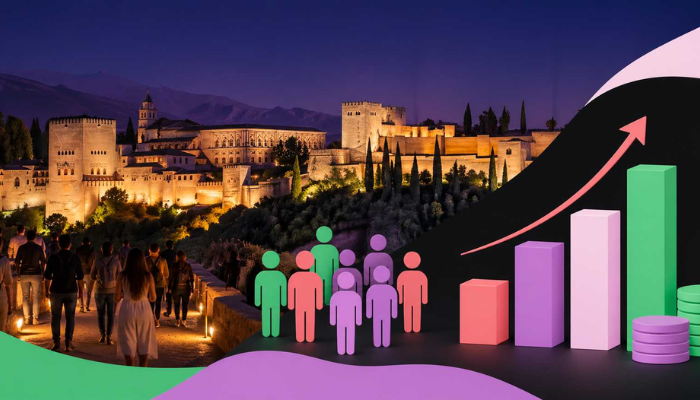
The alhambra palace night tour attendance revenue has become a fascinating subject for tourism experts, historians, and travelers alike. Nestled in the heart of Granada, Spain, the Alhambra Palace is already one of the most visited monuments in Europe—but its night tours add a completely different dimension to both visitor experience and economic performance. Under the soft glow of moonlight, the palace transforms into a magical landscape, drawing thousands of visitors who are willing to pay a premium for this exclusive experience.
Understanding how attendance translates into revenue during these night tours offers valuable insights into sustainable tourism, heritage preservation, and cultural monetization. From ticket pricing strategies to seasonal visitor patterns, the night tour economy of the Alhambra is a compelling case study in how historical sites can maximize value without compromising authenticity.
The Unique Appeal of Alhambra Palace Night Tours
The charm of the Alhambra at night is unmatched. Unlike daytime visits, night tours provide a serene and intimate atmosphere, allowing visitors to experience the intricate Islamic architecture and lush gardens in a quieter setting. This exclusivity is one of the primary drivers behind the alhambra palace night tour attendance revenue, as limited tickets create high demand and premium pricing opportunities.
Beyond aesthetics, the sensory experience plays a major role in attracting visitors. The dim lighting enhances the geometric patterns, reflective pools, and delicate carvings, making the palace feel almost otherworldly. Tourists often describe the experience as immersive and emotional, which significantly increases perceived value and willingness to spend more.
Additionally, night tours cater to a specific segment of travelers—those seeking unique, less crowded experiences. This targeted appeal allows operators to strategically manage attendance while maximizing revenue per visitor. The combination of exclusivity, ambiance, and storytelling ensures that night tours remain a highly profitable offering.
Attendance Trends and Seasonal Variations
Attendance patterns for night tours differ significantly from daytime visits. While daytime tourism peaks during summer months, night tour attendance often sees a more balanced distribution across seasons. This helps stabilize the alhambra palace night tour attendance revenue, reducing the impact of seasonal fluctuations.
During peak tourist seasons, such as spring and early autumn, demand for night tours can exceed supply. Tickets often sell out weeks in advance, indicating strong interest and effective capacity management. This scarcity not only boosts revenue but also enhances the perceived prestige of the experience.
Interestingly, weather conditions and cultural events also influence attendance. Cooler evening temperatures in summer make night tours particularly appealing, while special events or festivals in Granada can lead to temporary spikes in visitor numbers. These factors highlight the importance of dynamic scheduling and pricing strategies in optimizing attendance and revenue.
Revenue Generation Strategies and Pricing Models
The financial success of night tours lies in strategic pricing and controlled capacity. Unlike general admission tickets, night tour passes are priced higher due to their exclusivity and limited availability. This premium pricing model significantly contributes to the overall alhambra palace night tour attendance revenue.
Tiered pricing is another common strategy. For example, guided tours, private experiences, or access to restricted areas may come at a higher cost. This allows operators to cater to different budget segments while maximizing revenue potential. Upselling opportunities, such as audio guides or bundled packages, further enhance profitability.
Moreover, online ticketing systems play a crucial role in revenue optimization. By analyzing booking patterns and demand trends, management can adjust prices dynamically, ensuring optimal occupancy rates. This data-driven approach not only increases revenue but also improves visitor satisfaction by minimizing overcrowding.
Economic Impact on Local Tourism and Businesses
The ripple effect of night tour revenue extends far beyond the palace itself. The alhambra palace night tour attendance revenue significantly contributes to Granada’s local economy, benefiting hotels, restaurants, and transportation services. Evening tours encourage tourists to stay overnight, increasing overall spending in the city.
Local businesses, particularly those in the hospitality sector, see a noticeable boost during peak night tour seasons. Restaurants often experience higher foot traffic before and after tour hours, while hotels benefit from extended stays. This symbiotic relationship underscores the importance of cultural tourism as an economic driver.
Furthermore, the revenue generated from night tours supports conservation efforts and staff employment. Maintaining a historical site like the Alhambra requires substantial funding, and night tour income helps ensure that restoration and preservation projects can continue without relying solely on public funding.
Sustainability and Future Growth Opportunities
As tourism continues to evolve, sustainability has become a key consideration in managing the alhambra palace night tour attendance revenue. Limiting visitor numbers during night tours not only preserves the site but also enhances the quality of the experience. This balance between revenue generation and conservation is crucial for long-term success.
Technological advancements offer exciting opportunities for growth. Virtual reality enhancements, interactive guides, and advanced lighting systems could further elevate the night tour experience, attracting new audiences and increasing revenue potential. At the same time, data analytics can help refine attendance management and pricing strategies.
Looking ahead, expanding thematic tours or seasonal experiences could provide additional revenue streams. For instance, special historical reenactments or cultural performances could draw repeat visitors, ensuring continued growth while maintaining the site’s cultural integrity.
Conclusion
The alhambra palace night tour attendance revenue is a powerful example of how cultural heritage sites can successfully blend history, tourism, and economic strategy. By offering a unique and exclusive experience, the Alhambra has managed to attract a steady stream of visitors willing to pay a premium for nighttime access.
From strategic pricing and attendance management to its broader economic impact on Granada, the night tour model demonstrates the potential of innovative tourism practices. As sustainability and technology continue to shape the future of travel, the Alhambra’s approach provides valuable lessons for heritage sites worldwide.
FAQs
1. What is the Alhambra Palace night tour?
It is a guided or self-guided visit to selected areas of the Alhambra during evening hours, offering a unique and less crowded experience.
2. Why is night tour attendance limited?
To preserve the site and maintain an intimate atmosphere, visitor numbers are strictly controlled.
3. How does attendance affect revenue?
Limited attendance allows for higher ticket prices, increasing revenue per visitor.
4. Are night tours more expensive than daytime visits?
Yes, they typically cost more due to exclusivity and enhanced experience.
5. When is the best time to attend a night tour?
Spring and autumn are ideal due to pleasant weather and moderate crowds.
6. How far in advance should tickets be booked?
Tickets often sell out weeks in advance, especially during peak seasons.
7. Do night tours include all areas of the Alhambra?
No, access is usually limited to specific sections like the Nasrid Palaces or Generalife.
8. How does night tour revenue support preservation?
Funds are used for maintenance, restoration, and operational costs.
9. Are guided tours available at night?
Yes, both guided and self-guided options are typically offered.
10. Can night tours boost local tourism?
Absolutely, they encourage overnight stays and increased spending in local businesses.